The 20-Year Journey Behind Our Mission
As we reflect on Memorial Day weekend, I found myself thinking about gratitude, sacrifice, family, neighbors, and the long journey that shaped the mission behind our work:
To improve the aging experience for families through the comfort of home.
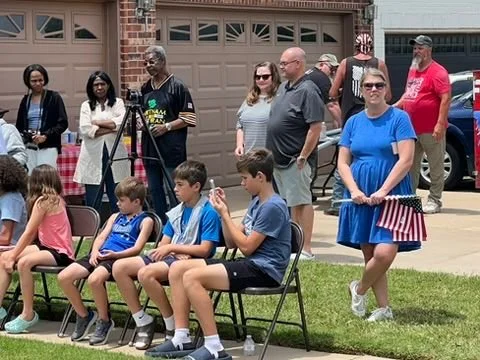
This year, that reflection was not abstract. We spent part of Memorial Day weekend outside with neighbors, families, children, veterans, motorcycles, American flags, and a local organization dedicated to honoring those who served. A flagpole was installed in the front yard. People gathered in lawn chairs. Children watched as the flag was prepared and raised. Veterans stood together, shared stories, and were honored in a way that felt personal, simple, and deeply meaningful.
It was the kind of moment that reminds you why neighborhoods matter.
In a world that often feels fragmented, rushed, and disconnected, there was something powerful about seeing people come together in a front yard to honor sacrifice, support one another, and build community. No stage. No production. No corporate script. Just families, neighbors, veterans, and children witnessing a small but meaningful act of remembrance.
That is part of what Memorial Day should do. It should slow us down enough to remember that freedom, family, and community are not automatic. They are inherited through sacrifice, preserved through gratitude, and strengthened when people choose to show up for one another.
That spirit connects directly to the mission behind our work. Our mission was not created in one meeting or written on a whiteboard during a single planning session. It has been shaped over time through marriage, family, work, caregiving, loss, faith, business, mistakes, hard lessons, and the slow realization that some of the most meaningful work in life often begins with the problems God places directly in front of us.
For us, this has been almost a 20-year journey. It continues to evolve as we grow, learn, serve families, and pay attention to what God is teaching us through each season.
This weekend, while reading Acts 9, I had an epiphany around a word that used to feel intimidating to me:
Disciple.
For a long time, that word felt distant. It felt historical. It felt reserved for people in the Bible or people far more spiritually mature than me. But as I reflected on the things I am grateful for, especially after seeing our neighbors gather to honor veterans and support families, I realized that discipleship is a word we may not use enough.
A disciple is a devoted follower, student, or learner. It is someone who studies, practices, follows, and helps carry forward what they believe to be true. When you look at it that way, discipleship is not only a religious word. It is a way of living. It is a posture of humility, discipline, learning, service, and action.
That matters because whether we realize it or not, we are all being discipled by something. We are shaped by the media we consume, the people we listen to, the financial systems around us, the technology we use, the education we receive, the habits we practice, and the incentives we live under. The question is whether we are choosing those influences intentionally.
For years, I spent a lot of time looking at what was wrong with the world. I could see the problems, point out the frustration, and explain why certain systems seemed broken. But over time, God began to change the way I saw those problems. A difficult problem could become a reason to grow. A frustrating market could become a reason to learn. A family challenge could become a reason to build a better service. A broken system could become the starting point for a new skill, a new product, a new business, or a new way to serve others.
That mindset shift deeply shaped the way we think about residential assisted living.
Families are exhausted. Many are trying to care for aging parents while raising children, managing careers, paying bills, and making difficult decisions with incomplete information. Aging becomes more than a healthcare issue. It becomes a family issue, a financial issue, an emotional issue, and a community issue all at once.
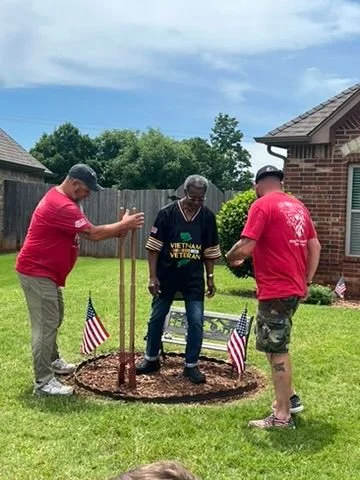
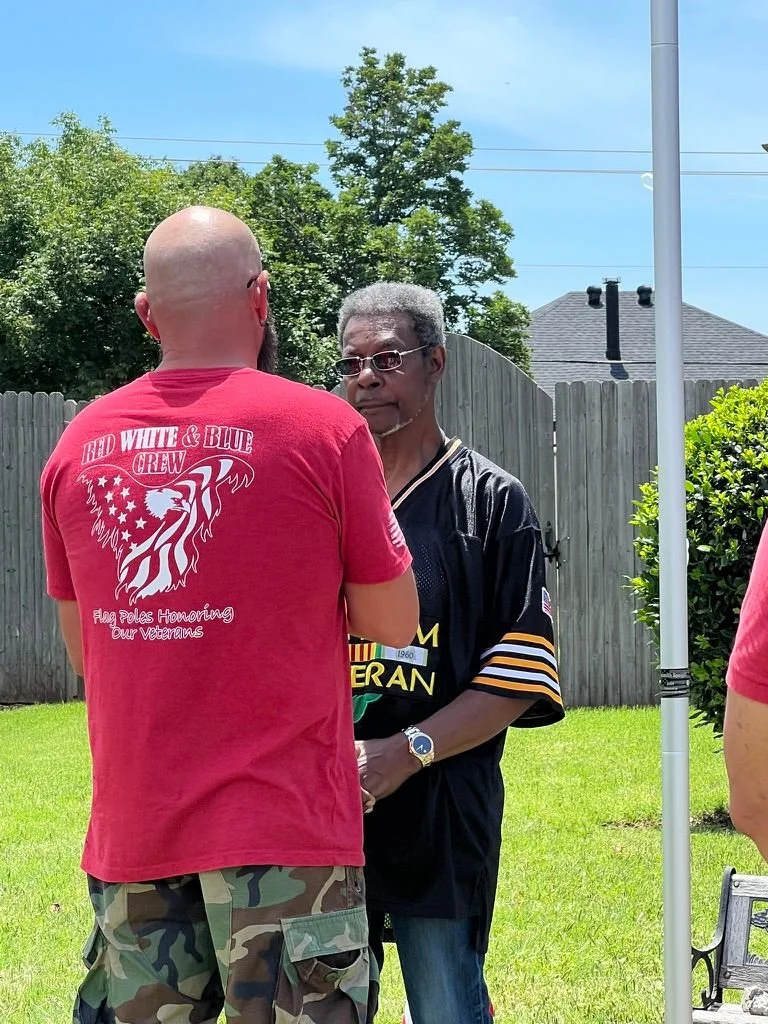
That is why moments like this weekend matter. When children sit outside and watch veterans being honored, they are learning something about gratitude. When neighbors gather in a front yard, they are learning something about community. When families take time to remember sacrifice, they are learning something about responsibility. And when older adults, veterans, children, and families share the same space, you can see how deeply connected the generations really are.
For us, that connection is at the heart of residential assisted living. We are not only trying to provide a place where older adults receive care. We are trying to help rebuild a more personal, more relational, more family-centered model of support. A smaller home. A consistent team. A warmer environment. A place where residents are not hidden from community, but honored as part of it.
That is how our mission continues to take shape. We are still learning. We are still growing. We are still becoming better students of the work.
The word discipleship stood out to me because faith, family, business, caregiving, health, education, and finances are not separate parts of life. They are connected. When inflation rises, families feel it. When the dollar buys less, families feel it. When healthcare becomes more expensive, families feel it. When education becomes disconnected from practical skills, families feel it. When technology changes faster than people can process, families feel it. When aging parents need support, families feel it.
These issues are not abstract. They show up at the kitchen table when adult children are trying to decide whether Mom is still safe at home. They show up when a family is trying to understand the cost of care. They show up when business owners are trying to pay employees well while expenses keep rising. They show up when young people are wondering whether college, trade school, entrepreneurship, artificial intelligence, or a different path is the right next step.
That is why we have started building what we call our Macro Monitor.
The goal is not to predict the future perfectly. The goal is to become better students of the world around us. We want to monitor the forces that affect families: inflation, energy, healthcare, housing, technology, education, capital markets, and the cost of care.
We cannot control every decision made in Washington. We cannot control the Federal Reserve. We cannot control global markets, regulations, price increases, or every disruption that affects families and businesses. But we can control our own decisions. We can learn, prepare, build, educate, and create conversations that help families think more clearly.
We can also form thoughtful alliances with people who care about solving the same problems. Ryan Holiday’s book about Peter Thiel, Hulk Hogan, and Gawker is a reminder that long-term change rarely happens by accident. It often requires patience, planning, persistence, and the willingness to organize people and resources around a mission.
For us, that does not mean operating in secrecy or cynicism. It means openly building a community of families, business owners, caregivers, clinicians, educators, builders, investors, veterans, neighbors, and leaders who want to improve the aging experience and prepare the next generation for the world they are inheriting.
That is also why publishing matters.
Publishing is not only marketing. Publishing is education, accountability, and community building. It is how we clarify what we believe, share what we are learning, invite others into the conversation, and build a body of work that can serve families long after a single meeting, phone call, event, or holiday weekend.
Technology will continue to improve, and artificial intelligence will change how people learn. YouTube, podcasts, newsletters, online courses, local businesses, trade schools, universities, and private companies will continue to merge in new ways. The future of education will not belong only to traditional classrooms. It will belong to people and organizations that can combine real-world experience, research, practical skills, faith, stewardship, and useful tools.
That is where we believe BMD Investment Group has a role to play. We want to build businesses that solve real problems, support families as they make difficult decisions, study the systems that affect aging, care, money, housing, and health, and use media and education to help people make wiser choices.
More than anything, we want to honor the gifts God has given us by putting them to work in service of others.
Our long-term hope is bold. We want to improve the aging experience for families, support research and practical solutions that help reduce the impact of dementia, build homes and systems that serve people with dignity, and help families become better stewards of their time, money, health, relationships, and opportunities.
That work starts with discipleship. It starts with becoming better students of Scripture, family, business, markets, caregiving, technology, and the problems placed in front of us.
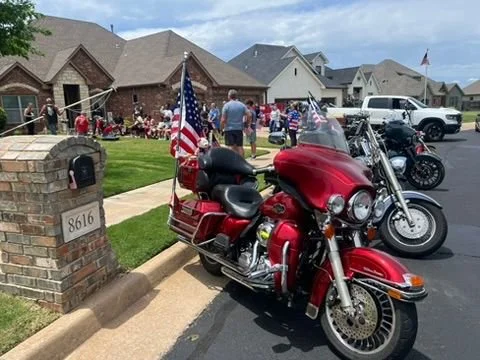
This Memorial Day weekend reminded me that the work also starts close to home. It starts with neighbors gathering in a yard. It starts with children seeing veterans honored. It starts with families making time to remember. It starts with small acts of service that strengthen the people around us.
The journey is not easy, but the first step is mindset. When we become willing to learn, grow, remain grateful, and see problems as opportunities, we begin to notice doors we could not see before.
That is how our mission began. That is how it continues to evolve. And that is why we remain committed to improving the aging experience for families through the comfort of home.
Call to Action
Over the next several months, we will be sharing more of what we are learning through our Macro Monitor, our work in residential assisted living, our research into dementia, and our effort to build education that helps families make better decisions.
If this mission resonates with you, I would love to hear from you.
What is one challenge your family is facing right now around aging, caregiving, health, finances, community, or the future of education?
Reply to this newsletter, share your thoughts, or send this to someone who is trying to make wise decisions for their family.
The best conversations usually begin when someone is willing to ask a better question.
Upcoming Assisted Living Conference
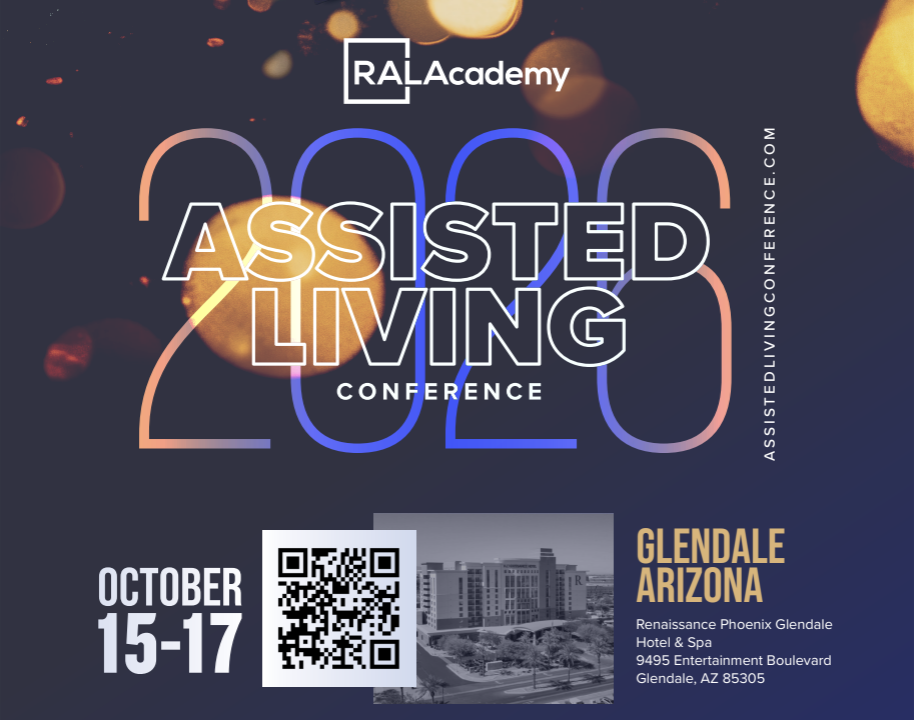
We also want to highlight the upcoming Assisted Living Conference.
This year, we are planning to host a track for people interested in investing in Residential Assisted Living.
The core message is simple: Residential Assisted Living can align doing good and doing well when the operator, capital, family experience, local need, and execution discipline are all real.
Investing on Main Street should mean backing useful businesses, serving families, and building durable cash-flowing assets with clear operating accountability.
Tickets are available at AssistedLivingConference.com.
Use code OKRAL to take $100 off tickets for this year’s event.